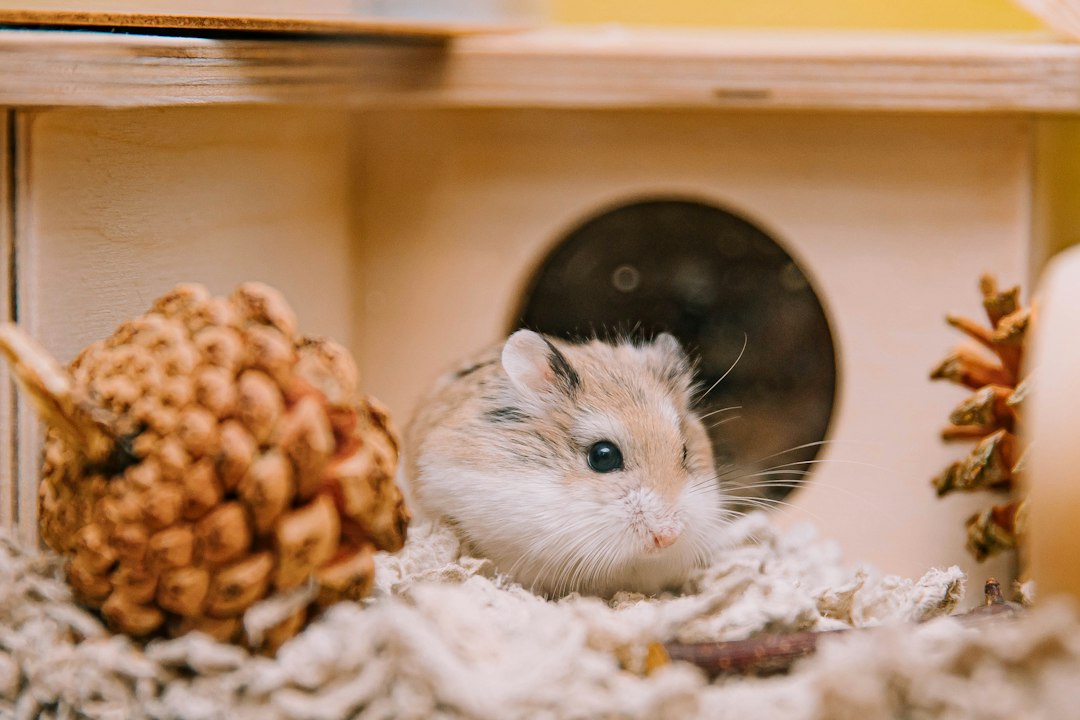
Are Male or Female Hamsters Better Pets?
Key Takeaways
- For Syrian hamsters, males are usually the easier pet - they tend to be calmer to handle and less territorial than females.
- Females are busier and smellier - a female in season scent-marks more, so cage cleaning matters more if you keep one.
- Both sexes must live alone if they are Syrian - the species is solitary, so sex changes nothing about housing.
- Individual temperament beats sex every time - ask to handle the actual hamster before you decide.
- Get the setup right first - a cage of at least 80 x 50cm such as the Savic Hamster Heaven matters far more than gender.
Suggested reading: Dwarf or Syrian hamster · Hamster cage essentials · How to tame a hamster
If you are choosing your first hamster, the question of male or female comes up fast, usually because someone at the pet shop has an opinion. The honest answer is that sex matters, but less than species and far less than the individual hamster in front of you.
The pattern most owners and hamster keepers report is fairly consistent. Male hamsters are generally the more relaxed choice, particularly in Syrian hamsters, while females tend to be busier, more territorial and more likely to scent-mark. We compared keeper guidance with owner feedback on the cages, wheels and bedding that make either sex easy to live with.
The short answer
For a first-time owner, or a household with children, a male hamster is usually the simpler pet. Male Syrians are commonly described as calmer and easier to handle, and they scent-mark less than females. Females are not difficult pets, but they are more energetic, more likely to nip when they feel cornered, and more likely to be in season, which brings extra marking.
That is a general pattern, not a guarantee. A friendly female that has been handled from a young age will beat a nervous male every time.
How the sexes actually differ
- Size: female Syrians are typically larger than males, with a longer body and a slightly more rounded rear.
- Temperament: males tend to be more placid and slower to react. Females are more inquisitive and often busier, which can read as nippiness when they are handled roughly.
- Scent: both sexes have scent glands and both mark, but female hamsters in season have a noticeably stronger smell, and their cages need cleaning more often.
- Territory: females are more defensive of their space, which matters most if you are tempted to pair hamsters up.
If you want to tell them apart at a glance, look underneath. A male has a clear gap between the genital opening and the anus, while on a female the two openings sit close together. Adult females may also show visible nipples along the belly.
Syrian hamsters: the difference is biggest
Almost all of the male versus female conversation is really about Syrian hamsters, because they are the largest and most commonly kept species. Male Syrians grow a prominent scent gland on the rump, which looks like a bald patch or a small dark area and alarms new owners every year, despite being completely normal.
Female Syrians come into season regularly through the warmer months, and during that time they can be more restless, more likely to climb the bars and more inclined to scent-mark. It settles down again afterwards. If you keep a female, expect a week or two of a busier hamster and plan for a slightly more frequent cage clean.
Dwarf hamsters: housing matters more than sex
With dwarf species such as Campbell's, winter whites and Roborovski hamsters, the sex difference is smaller and the housing question is bigger. Dwarfs are sometimes kept in same-sex pairs, and this is where sex genuinely matters, because females are the more territorial of the two and are more likely to fall out with a cage mate.
If you want to keep a pair, two males of a sociable dwarf species is generally the safer bet, and only where they are littermates introduced young. Even then, be ready to split them permanently at the first sign of fighting. Roborovski hamsters in particular are fast, and many owners find a single hamster makes a better pet than a stressed pair.
Smell, marking and cage cleaning
Scent marking is how hamsters claim territory, and it is normal behaviour rather than a fault. Males mark, but females generally do more of it, especially around their season. The practical consequence is that a female's cage will smell sooner, and spot-cleaning wet bedding every day makes a bigger difference than a full strip-out every fortnight.
Using a paper bedding such as Carefresh 99% Dust-Free Natural Paper Bedding helps, because it controls odour without the dust that irritates small airways. Keep a deep layer at one end so the hamster can burrow, and clean only the soiled patches to avoid stripping out the scent the hamster relies on.
Which is better for a first-time owner
If the hamster is for a child, choose a male if you can. Male Syrians are generally more tolerant of being picked up and less likely to nip when surprised, which makes the first few weeks of taming far less dramatic. Children should still handle any hamster sitting down, with an adult present, and keep sessions short.
If you are an adult who wants an active, interesting pet and does not mind a busier animal, a female is perfectly rewarding. She will be more curious, more likely to explore a playpen and more entertaining to watch, just less forgiving of clumsy handling.
What matters far more than sex
Cage size is the single biggest factor in how pleasant a hamster is to keep. A cramped cage produces a stressed, bar-chewing hamster regardless of gender, and both Syrians and dwarfs do far better with a floor area of at least 80 x 50cm. The Savic Hamster Heaven meets that size and comes with tunnels that give the hamster something to do beyond the bedding.
Wheel size comes second. A Syrian needs a wheel of at least 20cm across so the spine stays straight while running, which is why the Niteangel Super-Silent 10 inch Wheel suits Syrians and larger dwarfs. A wheel that is too small causes the back to curve and is a common, avoidable mistake.
Third is food. A plain mix such as Supreme Harry Hamster Tasty Mix covers the basics, and a ceramic hideout like the POPETPOP Ceramic Snail Hideout gives the hamster somewhere cool and dark to retreat to. Sort these three things and the male versus female question becomes a much smaller part of the decision.
Products to get right whatever you choose
- Savic Hamster Heaven Hamster Cage 80 x 50 x 50cm - the minimum floor area for a Syrian
- Niteangel Super-Silent 10 inch Wheel - big enough to protect the spine
- Carefresh 99% Dust-Free Natural Paper Bedding 50L - odour control without dust
- Supreme Harry Hamster Tasty Mix 700g - a straightforward everyday mix
- POPETPOP Ceramic Snail Hideout - a cool, dark place to sleep
- Supreme Science Selective Hamster Food 350g - a pelleted alternative if your hamster picks out the treats
Frequently Asked Questions
Are male hamsters more friendly than females?
Generally yes, particularly in Syrian hamsters. Males are commonly reported to be calmer and easier to handle, while females are more active and more territorial. Individual temperament still varies widely, so handle the hamster you are actually considering.
Do female hamsters smell more than males?
They usually do, especially during their season. Both sexes scent-mark, but females mark more often and the smell is stronger. Daily spot-cleaning and a dust-free paper bedding keep it manageable.
Can two male hamsters live together?
Not if they are Syrian, which must always be housed alone. Some dwarf species can live in same-sex pairs, and two males are usually a safer combination than two females, but you should still be prepared to separate them permanently if they fight.
Which sex is better for children?
A male is the safer first choice, because a calmer hamster is less likely to nip when a child is learning to hold it. Whatever the sex, children should sit on the floor with an adult nearby and keep handling sessions short.
How can I tell if my hamster is male or female?
Look at the underside. There is a wide gap between the two openings on a male, while on a female the genital opening and the anus sit close together. Adult females may also have visible nipples along the belly, and adult males often show a scent gland on the rump.
Does sex affect how long a hamster lives?
Only slightly, if at all. A hamster's lifespan is short whichever sex you choose, and cage size, diet, temperature and stress have far more influence than gender on how long it stays healthy.
Final Verdict
If you want the easiest possible start, choose a male hamster, ideally a Syrian, and handle it before you commit. If you want a busier, more active pet and you are happy to clean a little more often, a female is just as rewarding. Either way, the cage, the wheel and the bedding will shape your experience far more than the sex of the hamster, so put your budget there first.

Nina writes about small pets and birds for WhoPets, with a focus on proper care standards. She has owned hamsters, guinea pigs and budgerigars, and cares about evidence-based husbandry over trendy pet products.
As an Amazon Associate we earn from qualifying purchases.
Last reviewed: 2026-09-18 · Evidence-based content · Contains affiliate links