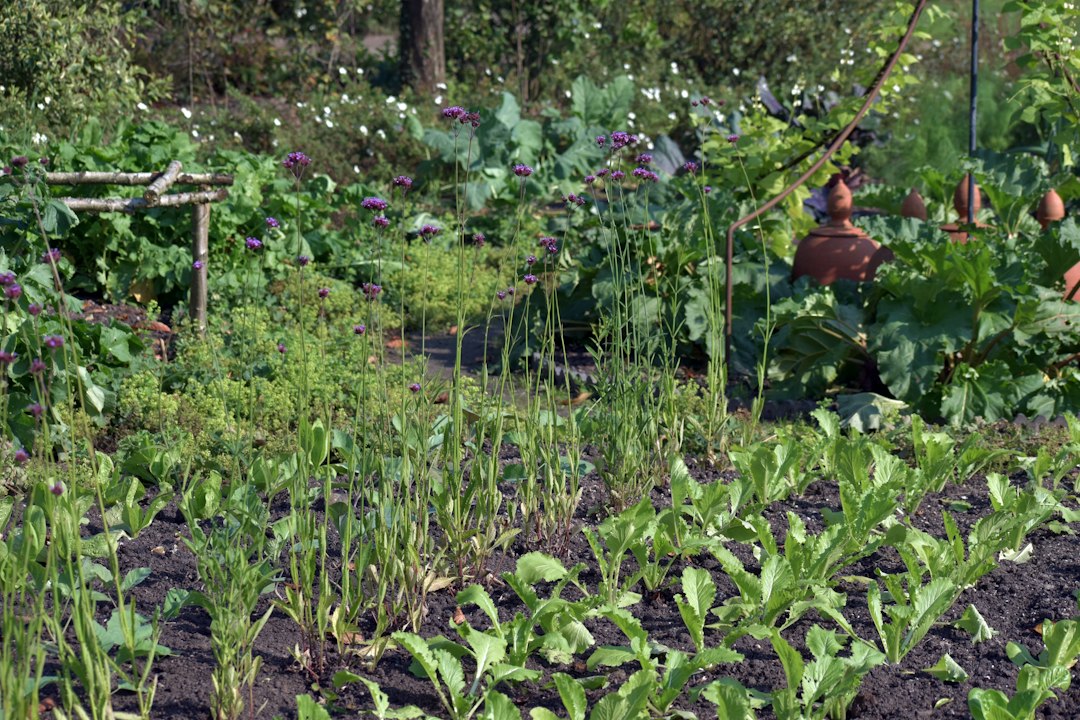
How to Build a Rabbit Proof Vegetable Garden
In short: a rabbit proof vegetable garden comes down to one barrier built properly. The RHS advises a fence of 2.5cm wire mesh standing 120cm to 140cm high, with the bottom 30cm sunk below ground level and the lowest 15cm bent outwards so rabbits cannot tunnel underneath. Netting over raised beds, cloches over seedlings and repellent sprays are there to back that barrier up, not to replace it.
Wild rabbits are one of the few garden visitors that will eat a vegetable plot down to stubble and then come back the next night to finish the job. They are also patient, and a rabbit that finds a gap under a fence will use the same gap every night until the plants are gone.
This guide covers the details that make a barrier work: fence specification, the buried skirt most people skip, covers for raised beds and low crops, and the repellents worth trying when a full perimeter fence is not practical.
1. Start With a Barrier, Not a Repellent
Every rabbit proof plot is built around a physical barrier. Scent sprays, ultrasonic units and plant choices all fade in effectiveness when a rabbit is hungry, and none of them close a gap in a fence. Build the barrier first, then use the softer methods at the edges where they can make a difference.
2. Fence the Plot to the RHS Specification
The RHS guidance on rabbit proof fencing is specific, and it is worth following rather than guessing. Use wire mesh with openings of around 2.5cm, stand the fence 120cm to 140cm high, and sink the bottom 30cm below ground level. The lowest 15cm is then bent outwards, away from the plot, so a rabbit digging at the base meets wire and gives up.
The size of the mesh openings matters more than the thickness of the wire. A wider grid lets young rabbits squeeze through, and it also lets them chew at stems through the fence. Galvanised mesh is the sensible choice for the buried section, because the part that sits in wet soil is the part that fails first on bare steel.
3. Bury an L-Shaped Skirt Along the Whole Run
Rabbits do not only jump. They dig, and they tend to dig along a fence line because the soil there is often looser. Dig a trench around 30cm deep, drop the mesh in, and turn the last 15cm outward so the wire runs horizontally under the soil pointing away from the vegetables. Peg that horizontal run down with galvanised ground pegs or fencing pins at roughly half a metre intervals, then backfill and firm the soil.
The finished shape looks like an L on its side, and it is the detail that separates a fence that works from one that gets undermined in a fortnight. If the plot runs up to a hedge or a boundary wall, take the skirt all the way to meet it, because rabbits work along edges and a gap at the end of a run is an open door.
4. Cover Raised Beds and Low Crops With Netting
A perimeter fence is the right answer for a large vegetable plot and complete overkill for two raised beds on a patio. For those, a net cover does the same job in a fraction of the time. Stretch garden netting over a frame or a set of hoops, then peg it down along all four sides and keep it taut, because loose netting catches birds and leaves enough slack for a rabbit to push underneath.
Netting also deals with the other half of the problem, which is birds and cabbage white butterflies. A fine mesh that sits clear of the leaves keeps all three off the crop, and it lasts several seasons if you dry it and store it away over winter instead of leaving it out in the wind.
5. Use Cloches and Grow Tunnels on Seedlings
Young plants are the most vulnerable stage of the season and the cheapest stage to protect. A grow tunnel or a cloche over a row of seedlings keeps rabbits off the plants while they establish, and it warms the soil at the same time, which helps in a cold spring. Cloches and tunnels work best for salads, brassicas, young beans and anything you are raising from seed in open ground.
6. Make the Plot Less Inviting
Barriers work better when the garden is not also offering rabbits somewhere to live. Long grass at the boundary, piles of leaves and an open compost heap all provide daytime cover, which means rabbits can stay close to your vegetables instead of travelling to them. Keep the boundary strip mown and move the compost into a closed bin.
Fallen fruit matters as well. A windfall apple under a tree is an easy nightly meal, and it teaches a rabbit that this garden is worth a visit. Clear windfall daily through late summer and autumn.
7. Treat Repellents as a Backup
Scent repellents, taste repellents and ultrasonic units are sold mainly as cat and fox deterrents, and their record with rabbits is patchy at best. They can help where a barrier is impossible, such as an open front garden or a shared boundary, but most need reapplying after rain and none of them will hold a determined rabbit out of a vegetable bed on their own.
If you use one, put it on the approach to the plot rather than among the plants, keep it well away from anything you are about to eat, and move it every few weeks because the effect tends to fade once a unit has sat in one spot.
What Height Does a Rabbit Fence Need to Be?
The RHS figure is 120cm to 140cm above ground for the fence itself, plus 30cm buried below it. That means a roll of mesh around 1.5m to 1.7m wide gives you enough material for the standing section and the skirt from a single piece, which is much stronger than joining two strips together at ground level.
Height alone is not the answer, because rabbits will go under a fence that sits on the surface rather than climbing it. Equally, a leaning fence or a fence with shrubs growing against it gives them something to climb, so keep the line clear on both sides.
Products Mentioned
- Ram galvanised ground pegs - 50 U-shaped pegs for pinning the buried skirt of mesh down before you backfill.
- Flatro galvanised hexagonal wire mesh - a 60cm by 5m roll of galvanised mesh, which is the material RHS guidance points to for a buried barrier.
- AlpineReach woven garden netting - a 2m by 20m extra strong mesh roll for covering cage frames and large beds.
- MAIYADUO garden netting kit - fine plant netting supplied with ground pegs, which suits a raised bed or a veg patch.
- DIVCHI garden grow tunnels - two pop-up tunnels for covering rows of seedlings and salads.
- Suregreen steel fencing pins - 1.2m pins in a pack of ten for holding up mesh panels on soft ground.
- Pestbye ultrasonic animal repeller - a battery powered motion unit sold as a cat deterrent, the realistic role for ultrasonic devices in a rabbit plan.
Frequently Asked Questions
How deep should a rabbit proof fence be buried?
The RHS guidance is to sink the bottom 30cm of the mesh below ground level, with the lowest 15cm bent outwards away from the plot. The outward bend is the important part, because a rabbit digging at the base meets horizontal wire rather than an edge it can work along.
Will chicken wire keep rabbits out of a vegetable garden?
It works if the openings are small and the wire is buried. Look for mesh with openings of around 2.5cm, because a wider grid lets young rabbits through and lets larger rabbits chew at plants through the fence. Galvanised wire is the better option for the buried section, since plain steel rusts where it stays damp.
Do ultrasonic repellents work on rabbits?
They are sold mainly as cat and fox deterrents, and there is little to suggest rabbits respond as reliably. Treat an ultrasonic unit as a supplement for an area you cannot fence, and expect the effect to fade if the device stays in one position.
Can rabbits climb over a fence?
Rabbits are better at jumping and digging than climbing, but a leaning fence, a shrub grown against the mesh or a stack of pots beside it all give them a route in. Keeping the fence line clear on both sides does as much for security as the fence height itself.
Which plants keep rabbits away?
Strong scented plants such as lavender, onions, garlic and marigolds are often suggested as deterrents, and they are worth planting at the edges of a plot. Treat them as a supplement rather than a barrier, because a hungry rabbit will work through most plantings given enough time.
Final Verdict
The reliable version of a rabbit proof vegetable garden is boring and physical. Fence to the RHS numbers, bury the L-shaped skirt, peg it down, and protect anything outside the fence with netting or a cloche. Repellents, planting choices and a tidy boundary all help, and none of them will hold a determined rabbit on their own.

Nina writes about small pets and birds for WhoPets, with a focus on proper care standards for often-overlooked pets.
As an Amazon Associate we earn from qualifying purchases.
Last reviewed: 2026-09-14 · Evidence-based content · Contains affiliate links