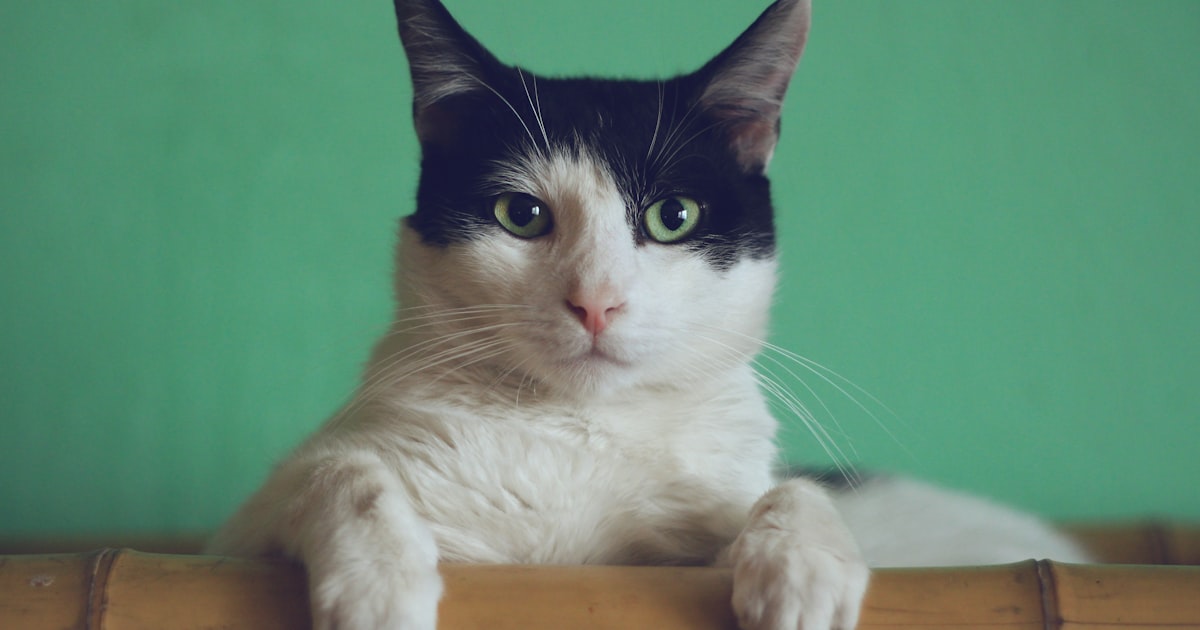
Getting a cat is a rewarding decision for any UK household, but it also comes with a list of purchases that can feel overwhelming if you have never owned one before. From food and litter to beds and scratching posts, the sheer number of products on Amazon UK is enough to make anyone second-guess every choice.
This guide cuts through the noise. We compared products across eight essential categories, covering budget, mid-range and premium options in each. Every recommendation is based on Amazon UK purchaser reviews, manufacturer specifications and independent pet care sources. Whether you are bringing home your first kitten or upgrading gear for a senior cat, this is the only buying guide you need.
- IAMS Adult Complete Dry offers the best value dry food at roughly £30 for a 3kg bag, while Hill's Science Plan justifies its premium price with higher meat content and added joint support
- Best Friends by Sheri Calming Donut Bed is the most popular cat bed on Amazon UK, with over 40,000 reviews confirming cats actually use it
- Amazon Basics Scratching Post at 80cm gives most cats a full stretch, and at under £7 it is one of the cheapest ways to save your furniture
- A simple measuring scoop prevents overfeeding, the most common cause of feline obesity in UK cats
- Start with a basic first aid kit and keep your vet's number saved in your phone, not just on the fridge
Cat Food: Dry, Wet and Kitten Options
Food is the single biggest ongoing cost of cat ownership, and it is also where budget decisions matter most for your cat's health. The UK pet food market splits into three broad tiers: supermarket own-brand and budget lines, mid-range specialist brands, and premium veterinary-backed formulas. Here is how each stacks up.
Dry Food (Kibble)
Dry food is the most cost-effective way to feed a cat. It stores well, does not need refrigerating after opening, and most cats can graze on it throughout the day. The downside is that kibble alone does not provide enough moisture, so it works best paired with wet food or a cat water fountain to encourage drinking.
Amazon reviewers consistently note that cats with sensitive stomachs do better on Scrumbles Sensitive+ Chicken Grain Free Dry Cat Food. It is grain-free, chicken-based, and contains pre- and probiotics. It sits in the mid-range price bracket and is worth considering if your cat has digestive issues on standard kibble.
Wet Food
Wet food adds moisture to your cat's diet, which is important for kidney and urinary tract health. Cats evolved as desert animals and do not have a strong thirst drive, so getting water from food is genuinely beneficial. A mix of dry and wet is the most common feeding approach for UK cats.
Kitten Food
Kittens need food formulated for growth, with higher protein, calcium and calorie content than adult formulas. Most vets recommend feeding kitten-specific food until at least 12 months old, and large breeds may benefit from kitten food until 18 months.
For wet kitten food, Whiskas Junior Poultry Selection in Jelly 84 Pouches is a budget-friendly way to add moisture to your kitten's diet. Pair it with a dry kitten food for a complete feeding plan.
Cat Beds: Comfort at Every Budget
Cats sleep 12-16 hours a day, so a decent bed is not a luxury, it is a necessity. The type of bed that works best depends on your cat's personality: some cats prefer enclosed cave-style beds for security, others love open donut beds they can curl into, and senior cats often benefit from heated or self-warming options.
For cats that prefer hiding, Ownpets Large Cat Cave Bed offers a more structured igloo shape at a mid-range price. And for senior cats or those in colder UK homes, K&H Self-Warming Pet Pad reflects your cat's body heat back without needing an electric supply, making it both safe and energy-efficient.
Position beds away from busy foot traffic, near a window if your cat enjoys bird-watching, and away from radiators in winter (cats overheat easily). Two to three beds around the house gives your cat options depending on their mood and the time of day.
Litter Trays and Hygiene Essentials
The litter tray is not glamorous, but getting it right makes a huge difference to both your cat's comfort and your own sanity. The two biggest mistakes new cat owners make are buying a tray that is too small and not providing enough trays for multi-cat households.
The general rule from veterinary behaviourists is: one tray per cat, plus one extra. So two cats need three trays. Place them on different floors and in different rooms, never next to food or water bowls. Most cats prefer unscented, clumping litter in an open tray, though some cats have strong preferences that you will only discover by experimenting.
For feeding accessories, YUDANSI Stainless Steel Bowls work perfectly for cats too. Stainless steel is easier to keep bacteria-free than plastic, and the non-slip base prevents sliding during mealtime. Pair them with a pet food measuring scoop to control portion sizes, which is the single most effective thing you can do to prevent feline obesity.
Scratching Posts and Cat Trees
Cat scratching is not destructive behaviour. It is a natural instinct that keeps claws healthy, stretches muscles, and marks territory. Your job is not to stop it, but to give your cat appropriate surfaces so they do not choose your sofa instead.
Place scratching posts near the furniture your cat currently targets. Reward them with a treat or praise when they use the post. If your cat prefers horizontal scratching, CheerPals Dual-Use Sisal Cat Scratcher works as both a floor scratcher and a wall-mounted option.
Toys and Enrichment
Indoor cats in particular need mental stimulation to prevent boredom-related behaviour. Puzzle feeders, interactive toys, and treat-dispensing balls all tap into a cat's natural hunting instinct. Even 10-15 minutes of play per day makes a noticeable difference in behaviour and weight management.
Cats also benefit from simple DIY enrichment: crumpled paper balls, cardboard boxes with holes cut in them, and paper bags (handles removed) all provide free entertainment. Rotate toys every few days to keep them novel. A cat that plays is a cat that maintains a healthy weight and stays mentally sharp.
Health and First Aid
Every cat owner should have a basic first aid kit at home. It will not replace a vet visit, but it lets you stabilise minor injuries and manage common issues until you can get professional help.
Beyond first aid, the two most important preventive health investments are flea treatment and regular vet check-ups. Indoor cats still need flea prevention, as eggs can be carried in on clothing and shoes. Our complete flea and tick prevention guide covers the options available in the UK.
How to Feed Your Cat: Portions, Timing and Routine
How you feed matters almost as much as what you feed. Cats thrive on routine, and inconsistent feeding times contribute to anxiety and behavioural issues. Here are the basics that every new cat owner should follow.
Portion control: Use a measuring scoop and follow the feeding guidelines on the packaging, adjusting for your cat's weight and activity level. An average indoor adult cat needs roughly 200-250 calories per day, while an active outdoor cat may need 300-350. Overfeeding is the number one cause of obesity in UK cats, and obesity leads to diabetes, joint problems and shorter lifespans.
Meal timing: Two to three meals per day is the standard recommendation for adult cats. Kittens under six months need four meals. If you feed dry food only, consider using a timed feeder to prevent grazing that leads to overeating.
Water: Place water bowls away from food and litter trays. Many cats prefer running water, so a stainless steel cat fountain can significantly increase your cat's water intake. Clean and refill fountain filters weekly to prevent bacterial buildup.
For a full breakdown of how much to feed based on age, weight and food type, see our How Much to Feed Your Cat guide.
Related Buying Guides
This buying guide covers the essentials, but each category deserves a deeper dive when you are ready to choose specific products:
- Best Cat Food for Indoor Cats and Sensitive Stomachs
- Best Cat Litter for Odour Control
- Best Cat Scratching Posts and Trees
- Best Cat Water Fountains
- Best Cat Toys
- Complete Guide to Choosing a Cat Bed
Frequently Asked Questions
Final Verdict
Setting up a cat for success does not require spending a fortune. A solid litter tray, a proper scratching post, quality food and a comfortable bed cover the essentials, and you can start with budget options in each category without compromising your cat's wellbeing. As you learn your cat's preferences, you can upgrade the items that matter most to them.
The biggest mistake new cat owners make is buying everything at once before they know what their cat actually uses. Start with the basics, observe what your cat gravitates towards, and invest in better versions of those items. A cat that uses a cardboard box over an expensive bed is telling you something worth listening to.
For more detailed reviews of specific product categories, browse our complete cat guides collection. And if you are bringing home a kitten for the first time, our First-Time Cat Owner Guide covers everything from kitten-proofing your home to the first vet visit.