Chinchilla Care for Beginners: UK Guide
- Chinchillas live 10 to 15 years, need a cool room and a tall, multi-level cage, and are most active at dawn and dusk.
- They clean themselves in fine volcanic dust, never water, so a dust bath house with chinchilla dust is a non-negotiable part of the setup.
- Feed unlimited grass hay plus a small daily ration of chinchilla pellets, and keep sugary treats rare.
- Add lava chews and wood blocks so their constantly growing teeth stay worn down.
- Plan for the full lifespan before buying: housing, dust, food, bedding and vet care all add up, and a compatible same-sex companion usually means a happier pet.
Suggested reading: Our Gerbil Care for Beginners, Rat Care for Beginners, Best Ferret Cages UK 2026 for more small pet advice.
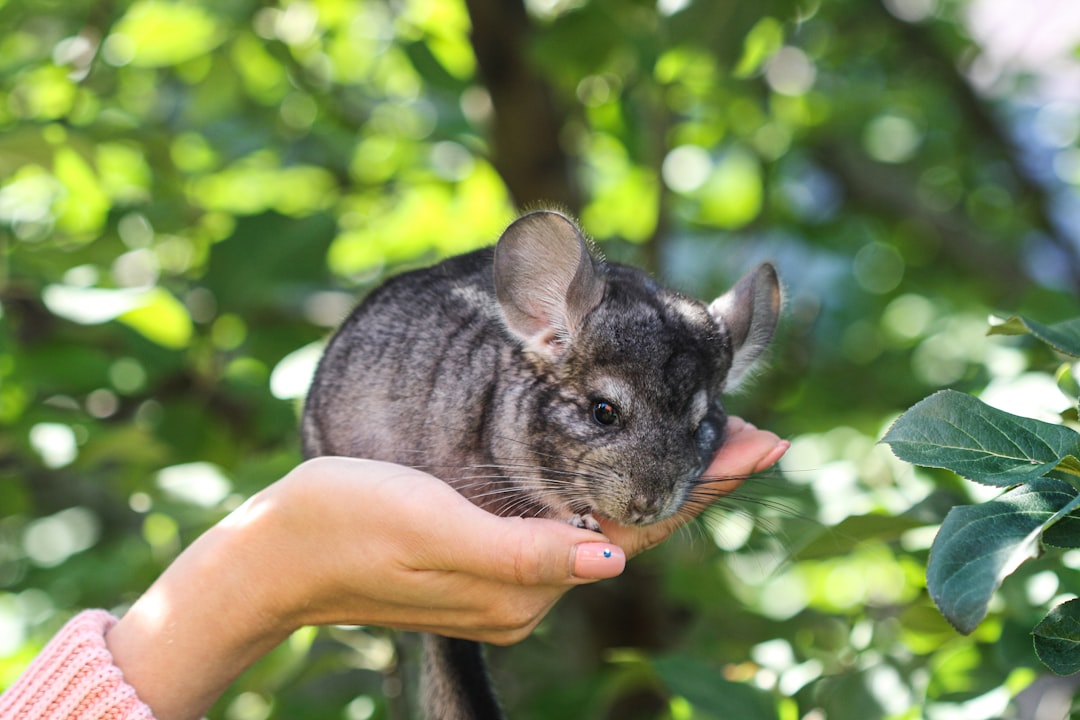
Chinchillas look like plush toys come to life, but they are not a casual impulse pet. Behind those enormous ears and impossibly soft coats sit a 15-year commitment, a strict dust-bathing routine and a need for cool, quiet space that many British homes struggle to provide in summer.
This beginner guide walks through what chinchilla ownership actually involves in the UK: choosing the right cage, setting up dust baths, feeding, handling, health checks and honest running costs. It draws on welfare guidance from UK animal charities and owner experience to keep every recommendation practical and defensible.
Are Chinchillas Right for You?
Chinchillas suit owners who enjoy watching and interacting with an intelligent, acrobatic pet rather than one that sits on a lap for hours. They learn routines, recognise their people, and put on spectacular displays of jumping, dust-rolling and curiosity, especially around dawn and dusk when they are naturally most active.
They are not ideal for very young children, who can find their delicate bones and skittish startle reflex hard to manage, and they do not cope well with noisy, high-traffic rooms. They also hate heat: anything much above 21 degrees causes stress, so a cool room and careful temperature watching are part of the deal.
Choosing a Cage: Height Beats Footprint
The cage is the one purchase worth getting right first time. Chinchillas are vertical animals that leap between ledges in the wild, so a tall cage with several solid platforms matters far more than a wide floor plan. Aim for at least 100cm in height for a single chinchilla, with more space again for pairs.
The MidWest Critter Nation Double Unit is a popular choice among UK owners because its four internal levels, full-width doors and solid plastic base make cleaning easy while giving jumpers real height. Look for narrow bar spacing so a chinchilla cannot squeeze through, and replace plastic ledges with wooden ones, since chinchillas chew everything in reach.
Dust Baths: Never Water
A chinchilla has the densest fur of any land mammal, which is exactly why it can never get wet. Water soaks through to the skin and takes hours to dry, leaving the coat vulnerable to fungal infections. Instead, chinchillas bathe in fine volcanic dust that absorbs oil and dirt from the fur while they roll.
Offer a dust bath house filled with proper chinchilla dust two to three times a week for around 15 minutes, then remove it. Use dust labelled for chinchillas rather than sand aimed at hamsters and gerbils, since the particle size matters for how well it cleans without irritating the skin.
Feeding: Hay First, Pellets Second
Good-quality grass hay should make up the bulk of a chinchilla's diet, offered freely so they can graze throughout the day. Hay keeps their constantly growing teeth worn down and their digestive system moving, and it should never run out. A hay rack or stuffed feeder keeps it clean and off the cage floor.
Alongside the hay, give a small daily ration of chinchilla pellets measured to the manufacturer's guidance, rather than a muesli-style mix that encourages selective eating. Fresh water should always be available from a chew-proof bottle, checked daily, and treats should stay rare: a dried rosehip, a small piece of apple or a single sultana once in a while is plenty.
Chinchillas have sensitive digestive systems, so introduce any new food gradually and avoid sudden changes. Skip sugary, salty or fatty human foods entirely, along with any treats aimed at other species that list grains, seeds or molasses high up the ingredients.
Handling and Enrichment
Chinchillas are generally gentle and can learn to climb into your hands, but they are not naturally lap pets. Start with short sessions, support the whole body with one hand under the chest and the other under the hindquarters, and never grab or squeeze, since their ribs are delicate and their startle reflex is strong.
Time out of the cage in a chinchilla-proofed room gives them valuable exercise, but only under close supervision. Block off gaps behind furniture, remove chewable cables and toxic plants, and shut doors and windows before opening the cage. Many owners find that a supervised run in the evening becomes the highlight of the chinchilla's day.
Inside the cage, offer ledges at different heights, tunnels, and plenty of lava chews and wooden toys to grind their teeth down, and rotate toys regularly since a bored chinchilla will start bar-chewing.
Company: Pairs Are Usually Happier
Chinchillas are social rodents that generally thrive in same-sex pairs or small groups. Two females or two males raised or introduced carefully as youngsters usually bond well, and watching them groom, chase and sleep curled together is one of the genuine joys of keeping them.
A single chinchilla can do perfectly well with an owner who gives it generous daily attention, and some rescues only rehome singles for that reason. If you do plan a pair, double the cage space and expect to manage introductions slowly on neutral ground, since adult chinchillas can fight if pushed together too quickly.
Health, Lifespan and Vet Care
Chinchillas commonly live 10 to 15 years, with some reaching 20, so this is a long-term pet by small-animal standards. Their most common problems are dental overgrowth, digestive upsets and heat stress, plus the fungal skin issues that follow wet fur or an over-used dust bath.
Weigh your chinchilla weekly on kitchen scales, watch that it is eating and producing normal droppings, and check the front teeth for signs of overgrowth each month. Find an exotic-pet vet before you need one, keep a modest vet fund, and act quickly on reduced appetite, drooling, weight loss, fur loss or a sudden change in behaviour.
What Chinchillas Cost in the UK
Chinchillas are not expensive to feed, but the upfront setup is real. The cage is the biggest single cost, followed by dust, bedding, a wheel or ledges, and the initial vet check. Budget for a tall, chew-proof cage such as the MidWest Critter Nation rather than a bargain enclosure that will need replacing within a year.
Ongoing costs are modest: hay, a bag of pellets, dust and bedding every few weeks add up to a few pounds a month. The unpredictable cost is vet care, since dental work and exotic-pet consultations cost more than standard small-animal visits, so a regular savings habit of a few pounds a month is the honest way to plan.
Frequently Asked Questions
Final Verdict
Chinchillas are wonderful, characterful pets for the right owner, but they demand more planning than the average small animal. If you can offer a cool room, a tall multi-level cage, regular dust baths with proper chinchilla dust, unlimited hay with measured pellets, and daily attention for 10 to 15 years, you will be rewarded with one of the most entertaining pets a British home can keep.
Start with a rescue or a reputable breeder, set the cage up before the chinchilla arrives, and book an exotic-pet vet check in the first week. Get those foundations right and chinchilla ownership is a joyful long-term companionship.
Products Mentioned in This Guide
- MidWest Critter Nation Double Unit - Tall four-level cage with wide doors that suits active jumpers and makes cleaning easy
- Trixie Sand Bath for Chinchillas - Sturdy dust bath house sized right for rolling and easy to lift in and out
- Premium Chinchilla Bathing Dust 3kg - Fine volcanic dust that cleans the coat without drying the skin out
- Supreme Science Selective Chinchilla Food - Pelleted diet that stops selective eating and supports dental health
- Chinchilla Lava Blocks and Wood Chews - Pumice and wood chews that grind down ever-growing teeth

Nina Patel writes about small pets and birds for WhoPets, with a focus on proper care standards.
As an Amazon Associate we earn from qualifying purchases.
Last reviewed: September 8, 2026 · Evidence-based content · Contains affiliate links