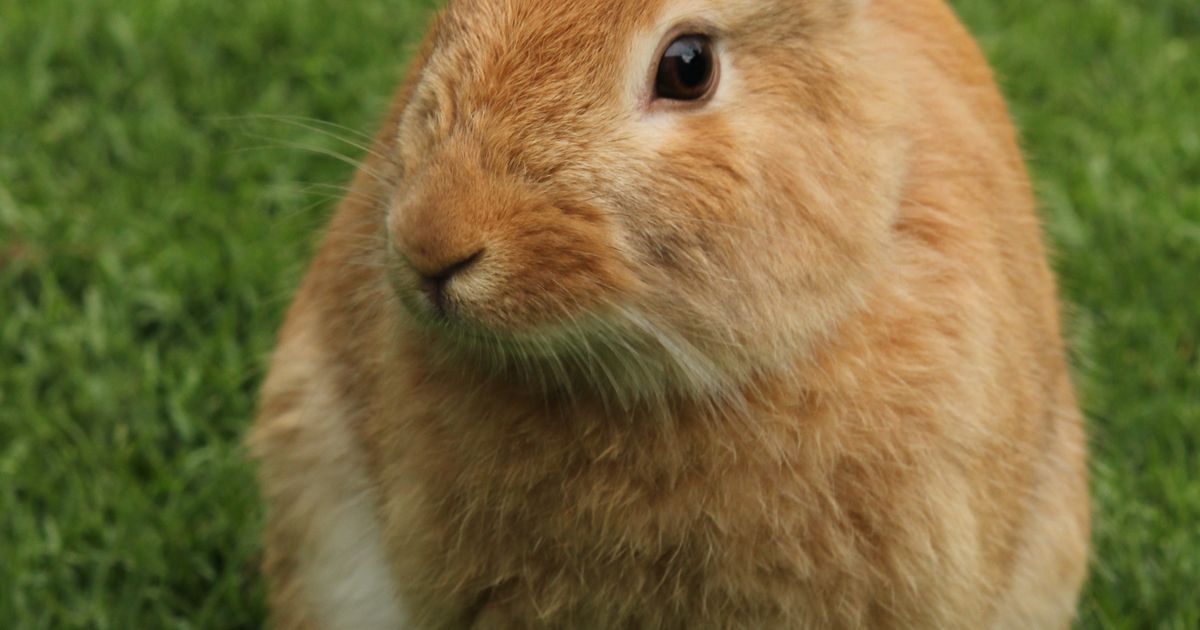
Best Rabbit Breeds for First-Time Owners UK
Choosing your first rabbit can feel overwhelming. There are over 50 recognised breeds in the UK, each with different temperaments, grooming needs and space requirements. A few breed traits matter more than others for new owners: friendliness, low-maintenance coats and adaptability to indoor or outdoor living.
We compared the most popular UK pet rabbit breeds against what actually matters for a first-time owner, from temperament and grooming to health risks and housing needs. We also looked at real Amazon UK purchaser reviews and RSPCA guidance to separate genuinely beginner-friendly breeds from the ones that look cute but demand more experience.
1. Holland Lop
Size: 1.4 - 2kg · Temperament: Calm and affectionate · Coat: Short, easy maintenance · Lifespan: 7 - 12 years
Holland Lops are the go-to recommendation for new rabbit owners, and for good reason. They are small enough to handle comfortably, tend to be relaxed around people and rarely need professional grooming. Their floppy ears give them a distinctive look that most families love. Amazon UK purchasers frequently mention how gentle and curious they are, even with children.
The main consideration is dental health. Like all lop-eared breeds, their skull shape can predispose them to dental issues. Regular checks by a rabbit-savvy vet, combined with unlimited hay to wear down their teeth, keep most Holland Lops healthy well into their teens.
2. Netherland Dwarf
Size: 0.9 - 1.1kg · Temperament: Curious, sometimes bold · Coat: Short, minimal grooming · Lifespan: 7 - 12 years
The Netherland Dwarf is one of the smallest rabbit breeds and works well in compact UK homes. They are active, alert and often form strong bonds with their owner. Their tiny size makes them appealing, but it also means children should be supervised during handling, as they can be surprisingly fragile.
They need a secure enclosure with no wide bar gaps. A well-sized hutch or indoor pen with plenty of enrichment keeps them occupied and prevents boredom-related chewing on furniture or cables.
3. Mini Rex
Size: 1.4 - 2kg · Temperament: Placid, enjoys handling · Coat: Velvety plush, very low maintenance · Lifespan: 8 - 10 years
The Mini Rex has a uniquely soft, plush coat that feels like velvet. They are one of the calmest breeds you can get, which makes them ideal for families with younger children or anyone who wants a rabbit that is happy to sit on your lap for a while. Their coat barely needs grooming beyond the occasional brush.
They adapt well to indoor living and tend to be less destructive than some other breeds. The main thing to watch is weight gain, as they are not the most active rabbits. Measuring their daily pellet portion and providing hay as the primary diet keeps them in shape.
4. Lionhead
Size: 1.3 - 1.7kg · Temperament: Friendly, enjoys attention · Coat: Long mane, requires regular grooming · Lifespan: 7 - 10 years
Lionheads are recognisable by the dramatic mane of longer fur around their head. They are popular in the UK for their striking appearance and generally friendly nature. They enjoy human interaction and tend to be good with older children who understand gentle handling.
The trade-off is grooming. That mane needs brushing several times a week, more often during moulting seasons. First-time owners who do not mind the extra grooming commitment will find Lionheads rewarding. If you want low maintenance, look at the shorter-coated breeds instead.
5. English Spot
Size: 2.3 - 3.2kg · Temperament: Active, outgoing · Coat: Short, easy care · Lifespan: 5 - 8 years
English Spots are one of the more active breeds on this list. They love to hop, explore and play, which makes them entertaining to watch. Their distinctive spotted markings are eye-catching and they tend to be confident around people once settled in.
They need more exercise space than smaller breeds, so plan for a larger hutch and a generous run area. They are a good fit for owners with a garden who can provide regular supervised time outdoors.
6. Harlequin
Size: 2.3 - 3.6kg · Temperament: Outgoing, dog-like · Coat: Short to medium, moderate grooming · Lifespan: 5 - 8 years
Harlequins stand out for their personality. They are often described as acting more like dogs than rabbits, greeting their owner at the cage door and seeking out attention. Their striking bicolor coat patterns, from Magpie to Japanese varieties, make them visually distinctive.
They are a medium-sized breed that needs decent space. Amazon UK purchasers often highlight how playful and interactive they are, though some note they can be more demanding of attention than quieter breeds.
7. French Lop
Size: 4 - 5kg · Temperament: Placid, gentle giant · Coat: Short, easy maintenance · Lifespan: 5 - 7 years
If you have the space, French Lops are the gentle giants of the rabbit world. They are large but remarkably calm and patient, which makes them good with children who can handle them safely. Their drooping ears are long and expressive.
Their size means they need a bigger hutch and run than most breeds on this list. They also tend to have shorter lifespans than dwarf breeds, which is worth knowing upfront. For owners with room to accommodate them, they are affectionate, low-drama companions.
8. Dutch
Size: 1.8 - 2.3kg · Temperament: Gentle, easy to handle · Coat: Short, minimal grooming · Lifespan: 5 - 8 years
The Dutch is one of the oldest and most established pet breeds in the UK. Their distinctive black-and-white (or blue-and-white) markings are instantly recognisable. They have a calm, even temperament that makes them straightforward for new owners.
They adapt well to both indoor and outdoor living and are generally hardy. Their short coat means grooming is quick and easy. They are a solid, no-fuss choice that consistently ranks among the most popular breeds in UK pet households.
Quick Comparison
| Breed | Weight | Grooming | Indoor? | Best For |
|---|---|---|---|---|
| Holland Lop | 1.4-2kg | Low | Yes | Families, calm homes |
| Netherland Dwarf | 0.9-1.1kg | Low | Yes | small spaces |
| Mini Rex | 1.4-2kg | Very low | Yes | Lap time, low effort |
| Lionhead | 1.3-1.7kg | High | Yes | Grooming enthusiasts |
| English Spot | 2.3-3.2kg | Low | Possible | Active owners, gardens |
| Harlequin | 2.3-3.6kg | Medium | Possible | Interactive owners |
| French Lop | 4-5kg | Low | Needs space | Roomy homes, patient owners |
| Dutch | 1.8-2.3kg | Low | Yes | Reliable all-rounder |
Essential Equipment for Your First Rabbit
Whichever breed you choose, you will need a few basics sorted before your rabbit arrives. The RSPCA recommends a minimum hutch size of 3ft x 2ft x 2ft, but bigger is always better, especially for active breeds like English Spots and Harlequins.
For a reliable starter hutch, the FeelGoodUK Rabbit Hutch with Rain Cover is a solid mid-range option with a covered run area. If you want something with more vertical space, the Bunny Business Double Decker Hutch gives your rabbit a separate sleeping and living area.
Diet is critical. Rabbits need unlimited meadow hay as the foundation of their diet, supplemented with a measured portion of quality pellets and fresh vegetables daily. The Rosewood Naturals Herbs Plus makes a good occasional treat for training or enrichment.
For outdoor setups, a secure run like the PawHut 6ft Wooden Rabbit Run gives your rabbit safe exercise space. Make sure it is predator-proof, with welded mesh rather than chicken wire, and check it daily for damage.
Before You Buy: Consider Adoption
Before purchasing from a breeder, check local rabbit rescues and charities. Organisations like the RSPCA, Blue Cross and local independent rescues regularly have bonded pairs looking for homes. Rescue rabbits are often already neutered, vaccinated and bonded, which saves you the cost and stress of doing it yourself.
Adopting also means you can assess the rabbit's temperament in a home setting before committing, which is something a breeder visit does not always guarantee.
Frequently Asked Questions
What is the friendliest rabbit breed for a first-time owner?
Holland Lops are widely regarded as one of the friendliest rabbit breeds. They tend to be calm, enjoy human interaction and adapt well to indoor living. Harlequins and Mini Rexes are also strong choices for sociable, easy-going companions.
How much space does a pet rabbit need in the UK?
The RSPCA recommends a minimum hutch size of 3ft x 2ft x 2ft (90cm x 60cm x 60cm) for a single rabbit, but bigger is always better. Most owners pair a hutch with a secure run for several hours of daily exercise. An indoor rabbit needs a dedicated room or a large pen with space to hop, stretch and stand on hind legs.
Should I get a bonded pair of rabbits?
Yes. Rabbits are highly social animals and the RSPCA strongly recommends keeping them in bonded pairs or small groups. A lonely rabbit is more likely to develop behavioural problems and stress-related health issues. Many rescues bond rabbits for you before rehoming.
Are long-haired rabbit breeds harder to care for?
Yes. Breeds like Lionheads and Angoras need regular grooming several times a week to prevent matting. Short-haired breeds such as Holland Lops, Mini Rexes and Netherland Dwarfs need much less maintenance, making them better suited to first-time owners who prefer lower-effort grooming.
Can I keep a rabbit indoors in the UK?
Absolutely. Many UK owners keep rabbits indoors, especially in colder months. Holland Lops, Mini Rexes and Netherland Dwarfs adapt well to indoor life. You will need to rabbit-proof electrical cables, provide a litter tray and ensure your rabbit has daily exercise outside the cage.
How long do pet rabbits live?
Most domestic rabbit breeds live between 8 and 12 years with proper care. Smaller breeds like Netherland Dwarfs and Holland Lops can sometimes reach 12 to 14 years. Larger breeds like French Lops typically have shorter lifespans of around 5 to 8 years.

Nina writes about small pets and birds for WhoPets, with a focus on proper care standards. She has owned hamsters, guinea pigs and budgerigars, and cares about evidence-based husbandry over trendy pet products.
As an Amazon Associate we earn from qualifying purchases.
Last reviewed: 8 September 2026 · Evidence-based content · Contains affiliate links